

As an important material for water conservancy projects and slope protection, the quality inspection standards of gabion mesh are crucial for ensuring its performance and service life. The state has formulated a series of strict testing standards for gabion mesh. The following is a detailed analysis of these standards.
Material performance testing
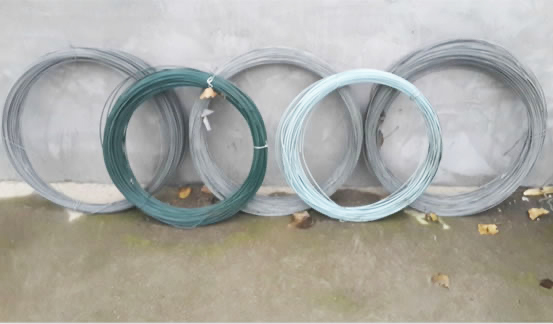
Tensile strength: The tensile strength of the metal wire of gabion mesh is tested by a tensile testing machine, which is usually required to reach 350-575 Newtons per square millimeter, in compliance with international standards such as South African SANS675:1997. This indicator is directly related to the stability of the gabion mesh when it is subjected to external forces.
2. Ductility: Test the ductility of the metal wire in the tensile state, generally requiring it to be greater than or equal to 10%, in compliance with standards such as European EN10223-3. Gabion mesh with good ductility has stronger toughness and anti-fracture ability during the deformation process.
3. Galvanized coating thickness: Use a coating thickness gauge to measure the thickness of the galvanized coating on the surface of the metal wire to ensure that the coating is uniform and meets the anti-corrosion requirements. Common coating types include hot-dip galvanizing and Galfan alloy (zinc-aluminum alloy) coatings.
Weaving process inspection
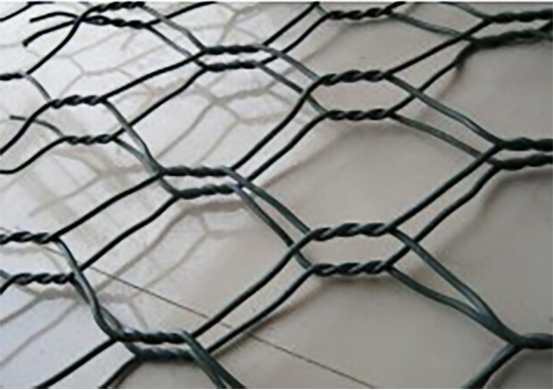
- Mesh size: Use measuring tools (such as vernier calipers) to measure the mesh size of the gabion mesh to ensure uniform mesh size and compliance with design requirements. The common mesh shapes are hexagonal or rectangular.
- Weaving tightness: Inspect the weaving process of the metal wire to ensure that the weaving is tight, without looseness or breakage, and guarantee the overall stability of the gabion mesh structure.
Structural performance testing
1. Load test: Apply static or dynamic loads to the gabion mesh to assess whether it can maintain its shape and withstand pressure after being filled with stones.
2. Fatigue testing: Repeatedly bend or vibrate the gabion mesh to assess its durability during long-term use.
Other testing items
Salt spray test: Evaluate the anti-corrosion performance of the coating, especially its service life in harsh environments such as seawater or high-humidity areas.
- Acid test: Test the corrosion resistance of gabion mesh in an acidic environment.
- Wear resistance test: Evaluate the wear resistance of gabion mesh under the impact of high-flow water.
- Geometric measurement: Use a three-coordinate measuring instrument to test the size and geometric shape of the gabion mesh, and inspect its mesh size, mesh surface flatness, etc.
Certification and Standards
Gabion mesh also needs to comply with relevant national or industry standards, such as GB/T3081 (steel wire for woven mesh), ASTMA975 (galvanized and zinc-aluminum alloy coated steel wire for gabion mesh), etc., and pass ISO9001 quality management system certification and other quality certifications and environmental certifications.
In conclusion, the national testing standards for gabion mesh cover multiple aspects such as material performance, weaving technology, and structural performance, ensuring that gabion mesh can play a stable and reliable role in applications in water conservancy projects, slope protection, and other fields.